Virtual Exhibit
1907-2026: A Legacy in Research and Development
A History of the Lacombe Research and Development Centre
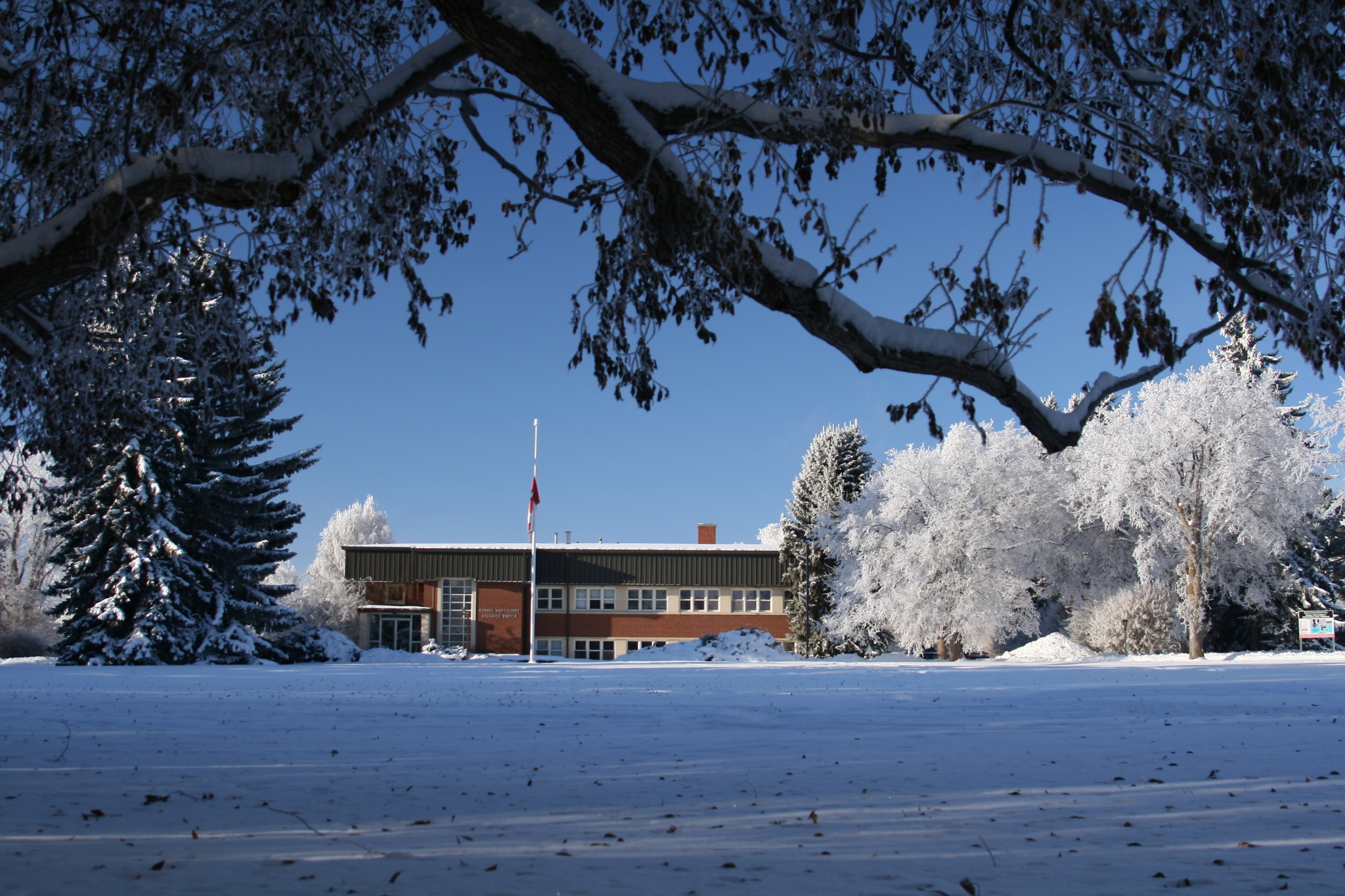
The Lacombe Research and Development Centre was established to conduct agricultural research, test farming practices, and discover new best practices, with a focus on improving agriculture in Central Alberta.
Since the beginning, the station has worked alongside research centres across Canada and expanded its collaborations with many research organizations around the world. Despite this growth, its focus has remained the same: providing farmers with the latest and most effective farming practices. This is achieved through research on soil health, cereal crop production, and livestock.
Over the years, each Superintendent and Director of the Station has adapted the research priorities to address changing agricultural needs and emerging areas of importance. While the emphasis placed on specific sectors has evolved over time, the station’s core principles have remained constant.
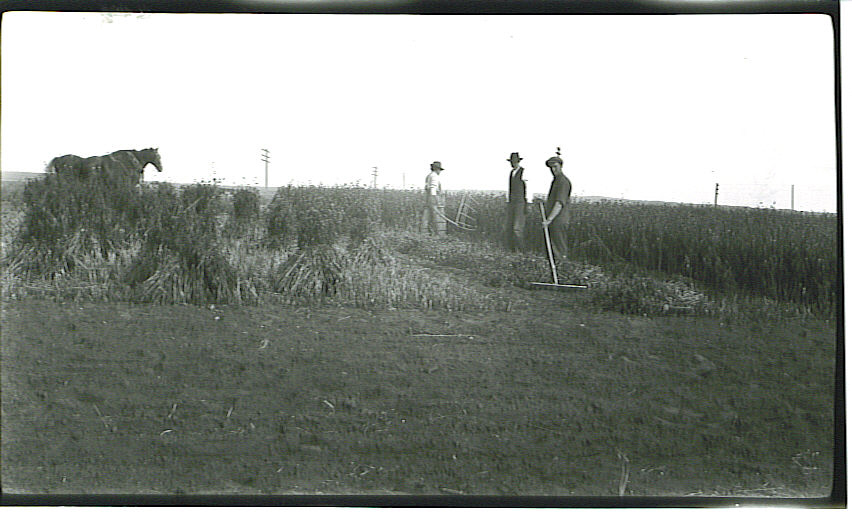
Cutting buckwheat at the Research Station. 1922
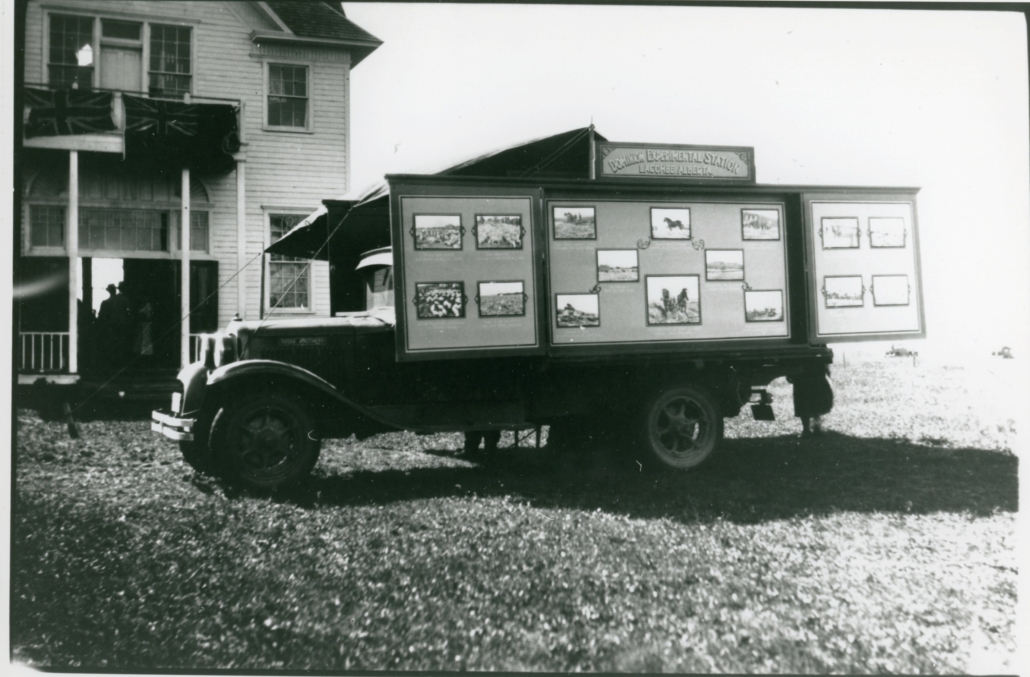
As Lacombe grew in the early 20th century, it began to set its sights on ideas that would put it on the map. Lacombe first put in a bid to establish an Experimental Farm in 1904. W.F. Puffer, MLA for the area, tried to ensure Lacombe’s victory in the bid by offering to support a motion for Edmonton to be the capital of Alberta if others would support Lacombe being the location for the station. This gained Lacombe political support in their venture, though this did not ensure success. Lacombe was competing against proposed locations in Calgary, Edmonton, Lethbridge, Innisfail, and Red Deer. For some, no suitable sites were found, whereas locations in Calgary and Lethbridge offered free land for the venture. The site offered by Lacombe would have to be purchased. The difference between the pieces of land was that the free land being offered was unbroken prairie sod, while the land in Lacombe was improved and cultivated, perfectly ready for use as an Experimental Farm. Thankfully, W.F. Puffer finally got to call in his favour, and a letter from the Premier of Alberta, the Hon. A.C. Rutherford, was sent to the Prime Minister, Sir Wilfred Laurier. At this point, the Government approved a budget of $5,000 for the purchase of the Flewelling land, and the Board of Trade covered the remaining $3,000.
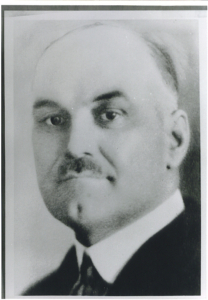
Served as the first Superintendent of the Station from 1907 to 1919.
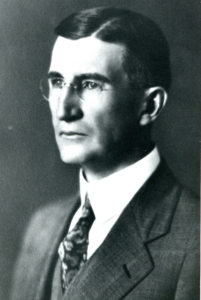
Served as Superintendent of the Station from 1920 to 1946.
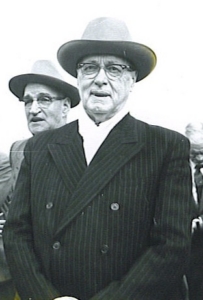
Served as Superintendent of the Station from 1946 to 1955.
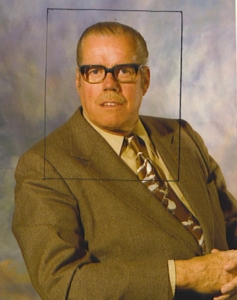
Served as Superintendent from 1955 to 1976. The role changed to “Director” in 1959.
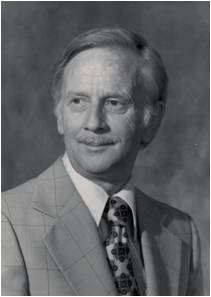
Served as Director of the Research Station from 1976 to 1979.
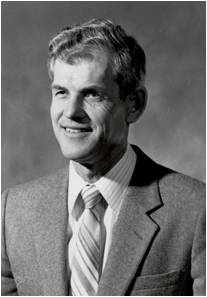
Served as Director of the Station from 1980 to 1989.
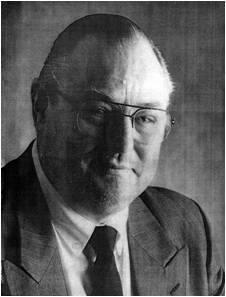
Served as Director of the Station from 1989 to 1994.
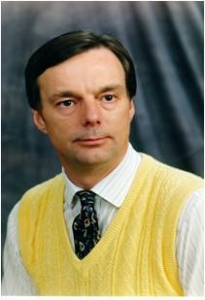
Served as Director of the Station from 1994 to 1996.
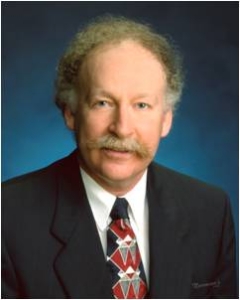
Served as Director of the Station from 1996 to 1998.
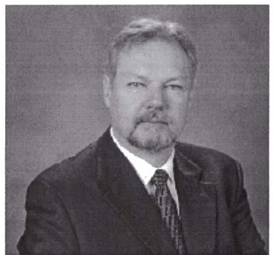
Served as Director of the Station from 1998 to 2003.
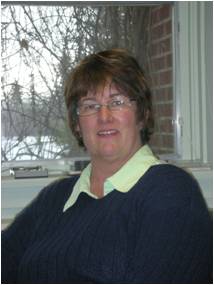
Served as Director of the Station from 2003 to 2004.
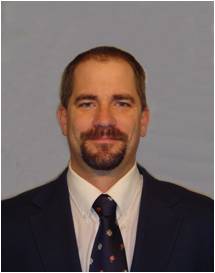
Served as Director of the Station from 2004 to 2005.
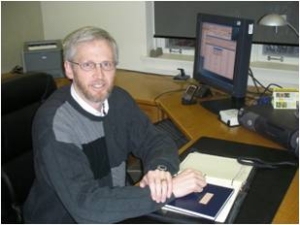
Served as Director of the Station from 2006 to 2011.
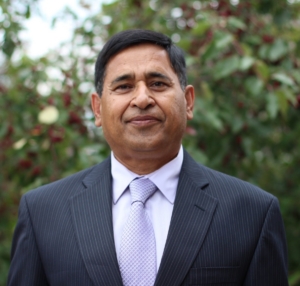
Has served as Associate Director, Research, Development and Technology from 2014 to present.
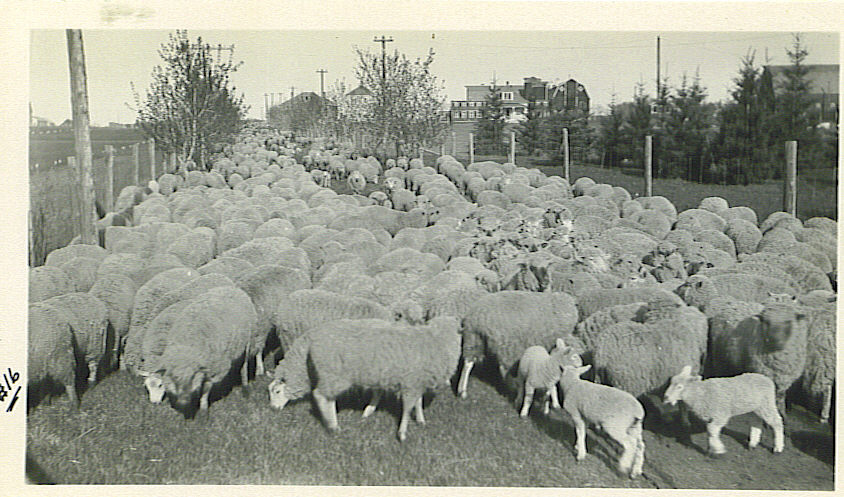
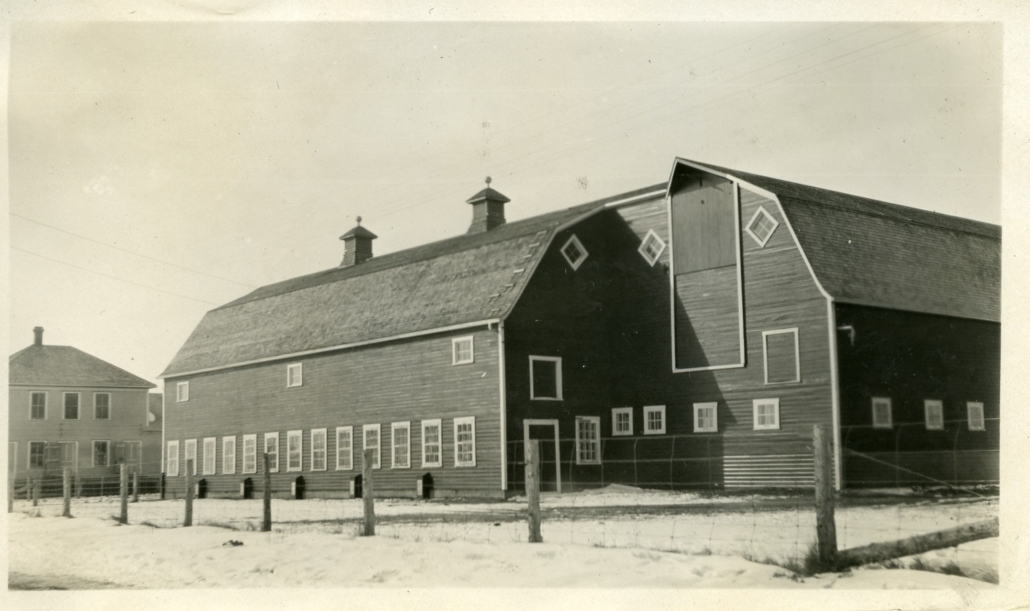
Historically, the Research Station’s focus depended on who the Superintendent was at the time. Under George Hutton, the focus was on getting the Station up and running, which included creating 1,600 experimental plots for the test comparisons of cereal varieties, field peas, corn, root crops, and forage crops. Hutton also established tree nurseries, which included 350 fruit trees (apples, plums, and cherries), numerous varieties of currants, raspberries, and strawberries. Plus many different types of trees, including Cottonwood, Manitoba Maples, Caragana, Spruce, Balsam Fir, and many shrubs. This was also a time of numerous construction projects. The station needed staff housing, a boarding house, a horse barn and carriage house, and a combination superintendent’s residence, office, and guest house. Initially, Lacombe was not intended for livestock work, but after a visit by the Minister of Agriculture in 1909, this changed. Over the following four years, Hutton expanded into livestock, establishing herds of pigs, beef and dairy cattle, sheep, chickens, geese, turkeys, and even apiculture.
Under F.H. Reed, the focus shifted to the show ring. Most of the livestock program, beyond what could be entered in the show circuit, was cut. Staffing also remained minimal during this time, as Reed sought to keep costs as low as possible so the high expenses of the show activities could be covered.
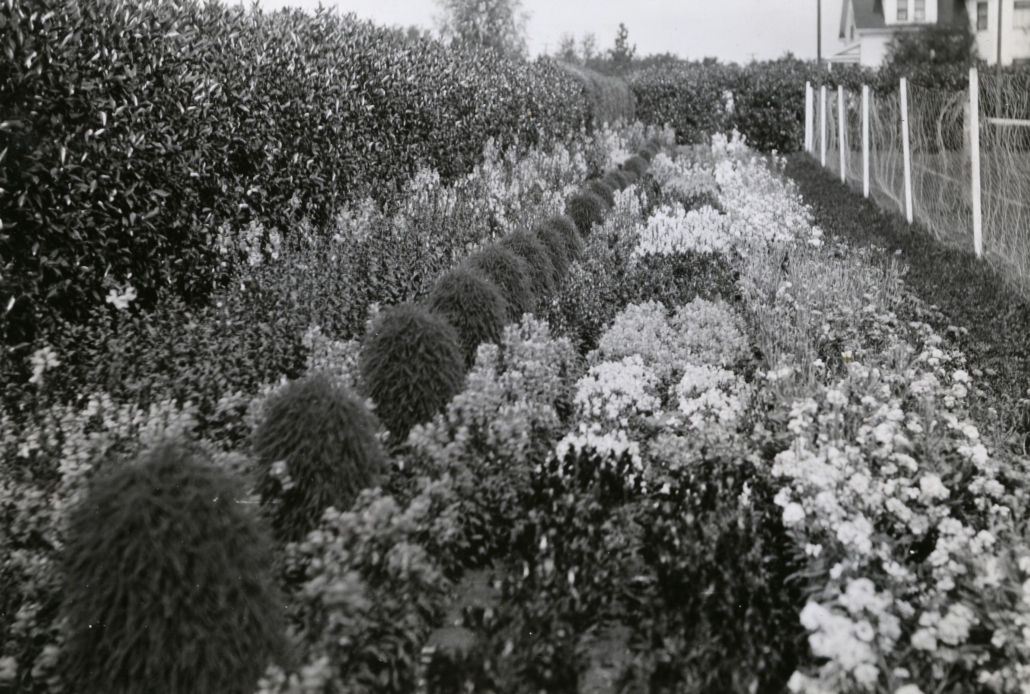
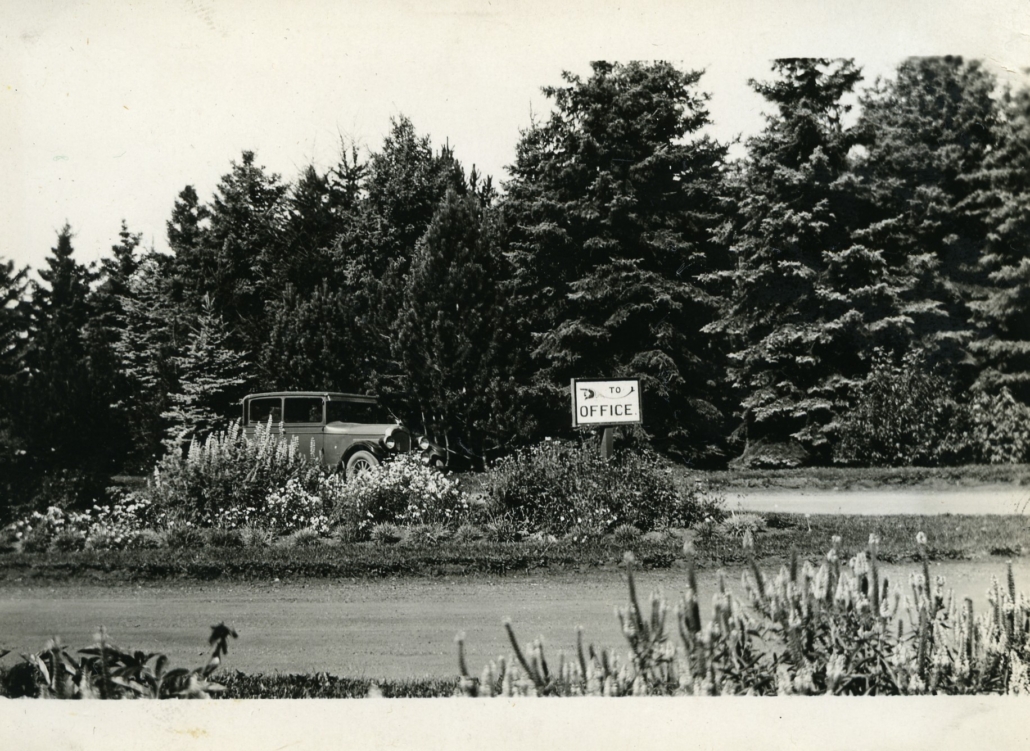
Flower and small shrub plot at Research Station. 1935
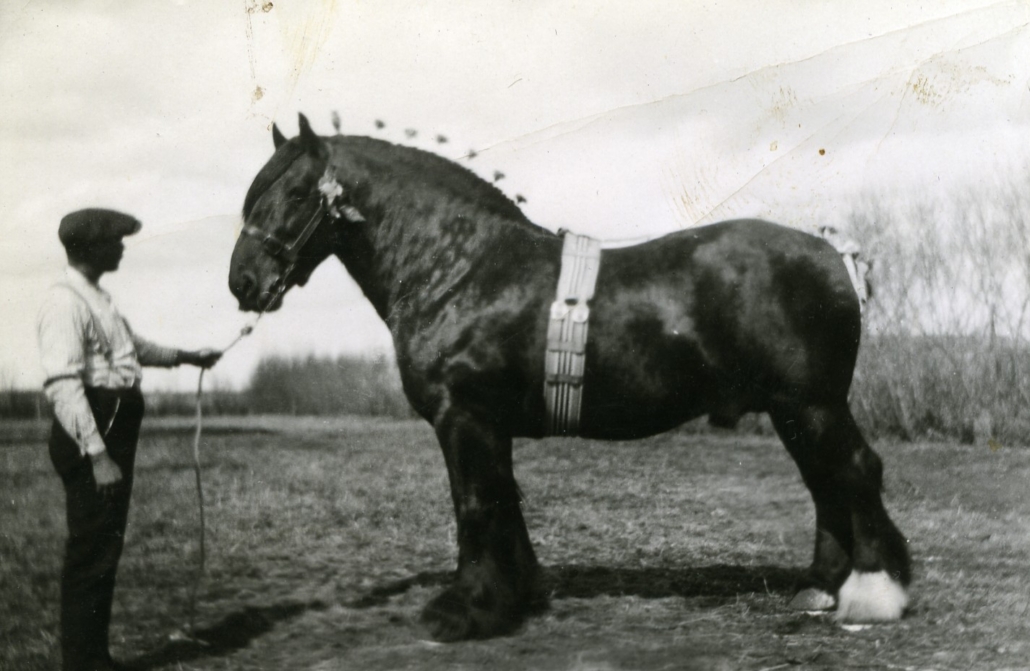
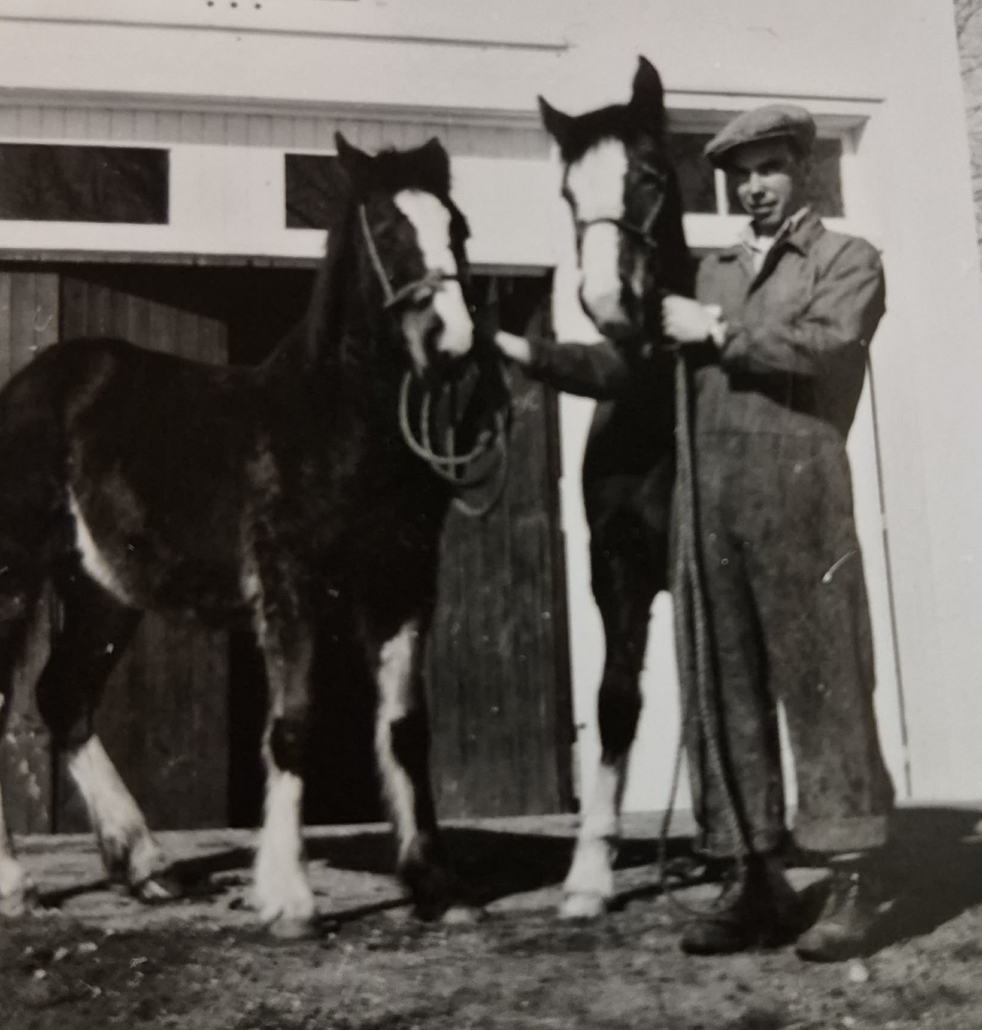
Man with a draft horse at the Research Station. 1936
During DeLong’s term, from 1946 to 1955, he began the process of rebuilding the research support and facilities and resumed the type of work carried out by Hutton. Significant increases in technical staff and the construction of additional office and lab space would take place over the next decade. DeLong’s history in the field husbandry division gave that portion of the station special attention and helped ensure the station was properly integrated into the community at large.
Following this time was an increased focus on animal husbandry at the Station. The Lacombe pig came into circulation in 1957, which remained an important part of the station’s work for the next decade. In concert with this was the introduction of the laboratory animal breeding program. A mouse lab was introduced to assist in the study of population genetics. The reproductive characteristics of mice are similar to those of pigs, which additionally assisted with swine research.
1959 saw the amalgamation of the government Science Service and Experimental Farm Service into the Research Branch. This change caused some shuffling of position names and the reorganization of the Lacombe Station into crop management and soils, plant breeding, and animal science. This change also introduced a labour union to the civil servants.
In the late 1960s, when Lacombe was accounting for about 75% of Ottawa’s Statistical Research Service, Lacombe was given the means to establish their own computer centre, the first one outside of Ottawa. This allowed for in-house statistical analyses for the large animal breeding research programs. The computer centre set up in Lacombe served as a model for establishing centres at other Research Stations.
More recently, the Lacombe Research and Development Centre has conducted food safety research aimed at reducing E. coli-related risks in Canada. They have also contributed to the enhancement of meat attributes such as tenderness and taste, and have established grading systems for beef, lamb, and bison. The Lacombe Station is home to the only federal research abattoir.
The Station has always had a focus on food safety and security that has been quietly impacting Canadians for over one hundred years.
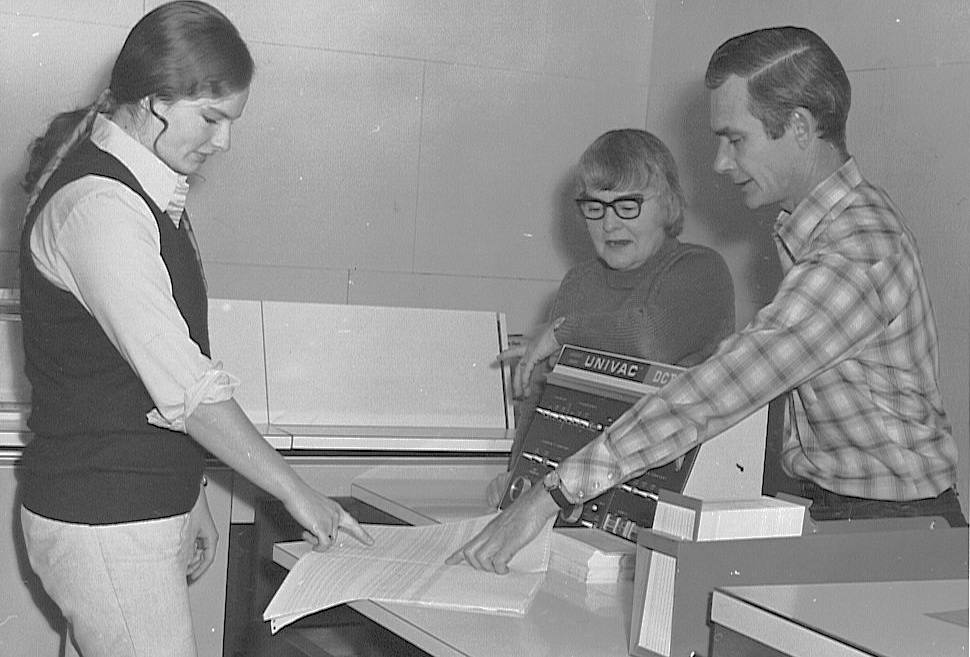
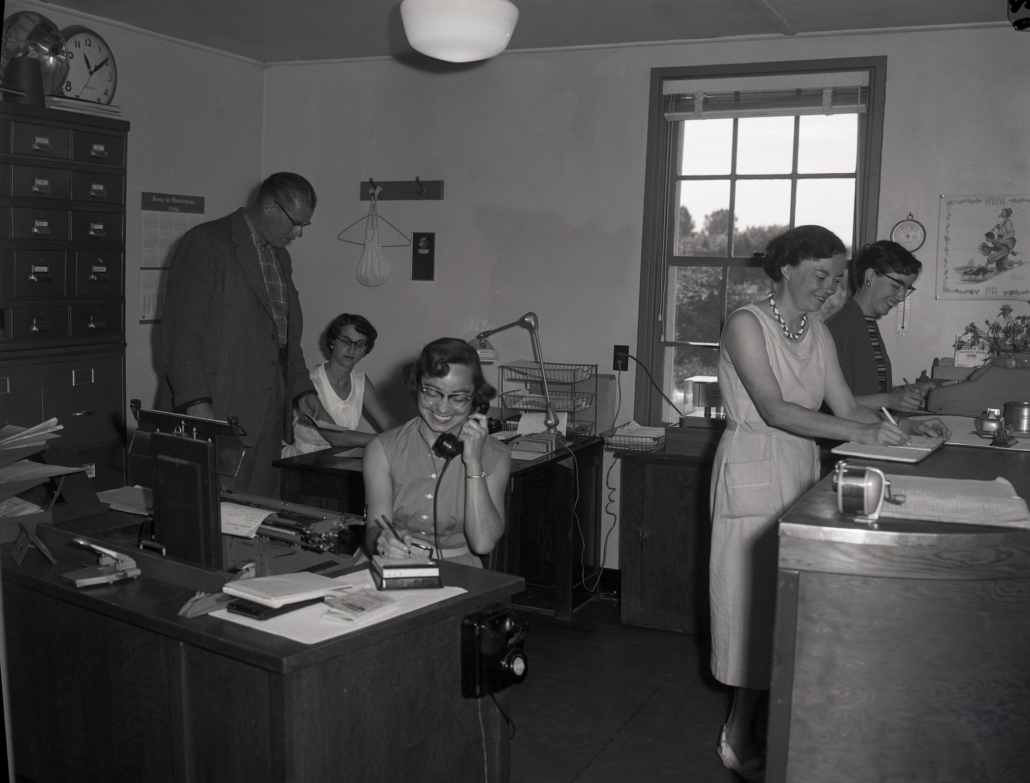
Faye Redden, Eva Reimer, and Milton Weiss at the Research Station. 1969
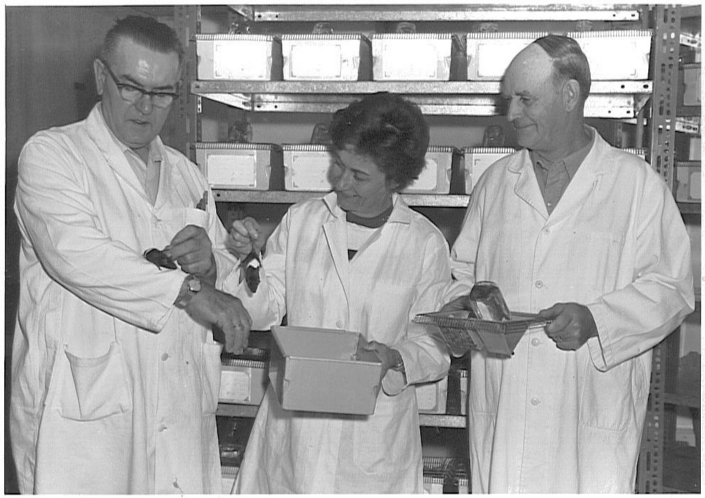
Small animal laboratory staff. Ev Gilmar (middle) and her assistants John Stuivenberg (left) and John Tymstra (right). c.1970
Field husbandry was the term given to field testing. DeLong headed this program in the mid 1920s. He tested cereal varieties and expanded the evaluation of legume and other forage crops (crops used for livestock grazing). By 1931, there were 2,000 test plots for various forage crops. One of the earliest research projects was to evaluate the influence of cultural and tillage practices on soil drifting, and in 1926 the use of the cultivator instead of a plow to preserve trash cover as protection against wind erosion was proposed, which would help protect against the windstorms of the 1930s.
During this period, the Station had many crop successes, including the fact that the seven best of the thirty tomato varieties under evaluation were Lacombe selections in 1926, as were the three top performers among 20 varieties of garden peas. Canus potatoes were released in 1942, and Larain oats, released in 1954, were touted for their early maturity.
In the late 1940s, this department was divided into two sections: plant breeding and field husbandry. In plant breeding, a new selection technique was developed that greatly accelerated the production of new oat and barley varieties of exceptional merit. The field husbandry department remained a vital and active part of the station, later releasing pea varieties best suited to our Parkland region soil, and increasing malt barley yield and quality through pest management and genetic work.
In the early 1920s, the focus was set on pigs, which were the only animals not included in the show ring activities of this time. Happy Wilson’s work with progeny testing in pigs led to the adoption of a national genetic testing program, the Record of Performance (ROP), for purebred swine in 1932. Also in this year, Lacombe’s Angus herds were dispersed and replaced by Shorthorns. By 1941, Happy had decided to focus on the selective improvement of the Yorkshire pig breed. There was growing demand for breeding animals from his herd, and the annual offerings of boars were sold out.
Carcass research was first conducted under Happy’s management in a study comparing pasture- and indoor-fed pigs. In 1942, the Lacombe Station was chosen for three separate research herds: one to evaluate techniques for improving carcass merit, another to examine the role of inbreeding in promoting prepotency, and a third to create a new strain of pigs that combined the desired characteristics of two or more breeds. This program lasted a decade and resulted in the development of the Lacombe pig breed. During the post-war period, Lacombe experienced a major expansion of the livestock program, including the development of meat research.
Animal work of national and international significance included the Lacombe breed of pigs, development of new grading systems for pig and beef carcasses, breeding, selection and testing programs for pigs and cattle that guided the development of national policies for performance testing of these classes of livestock, and selection results with small animals, poultry, pigs and beef cattle that had considerable technical as well as practical importance.
Field days were an important part of the Research Station’s mandate. It allowed people to come onto the site to see the important work that was being done while also providing an opportunity for the community to gather for a day of delicious treats – made with products produced at the Station. A tent with ice cream and other goodies would be available, and a good lunch was always served under the maple trees as long as the weather allowed. There were different field days for different purposes; one day could be dedicated to Clydesdale breeders, another to Cereal crops, Hog breeders, Horticulture, and a general one that would be the most appealing to the non-farming community members. These focused days were important, as field days gave local farmers the opportunity to learn the best, most modern ways to farm, providing a direct positive impact on the community. These days were so popular that the Station could see over 1,000 visitors in a single day.
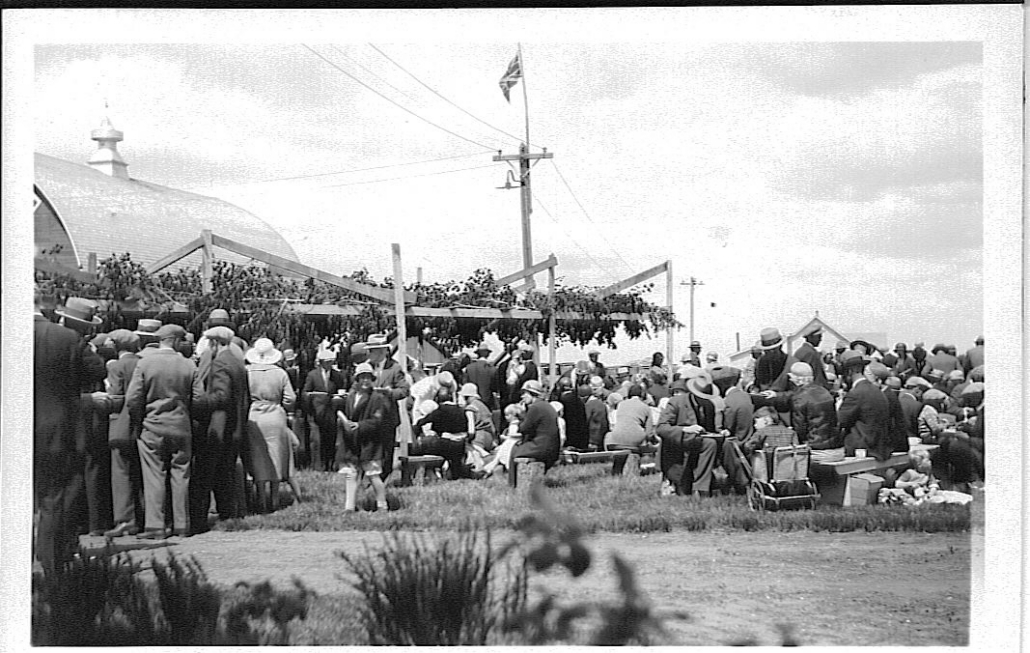
Field Day at the Research Station. 1932
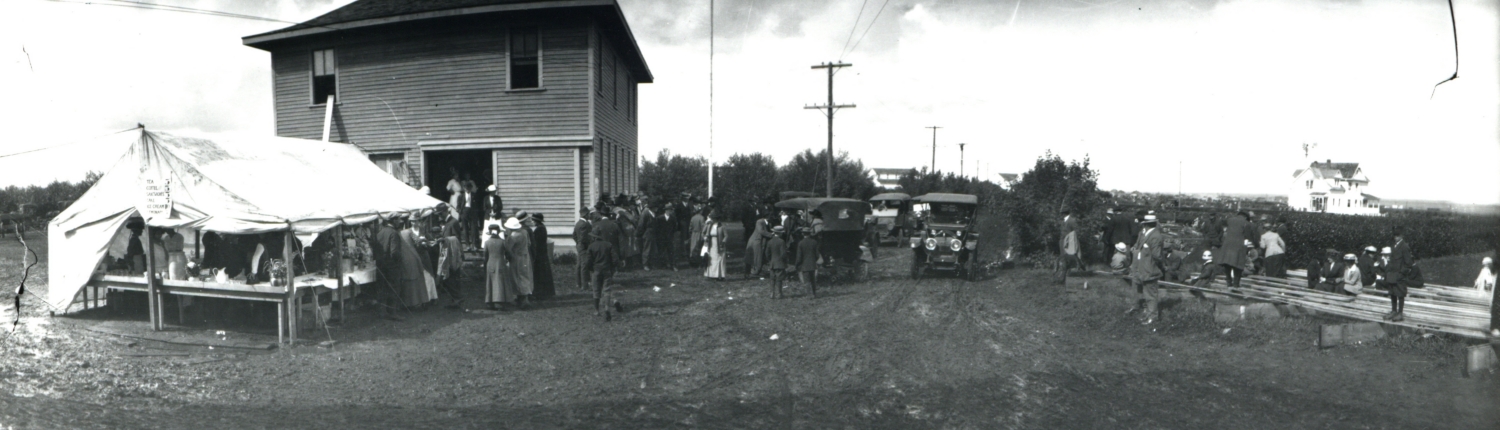
Field day at the Research Station. c.1915
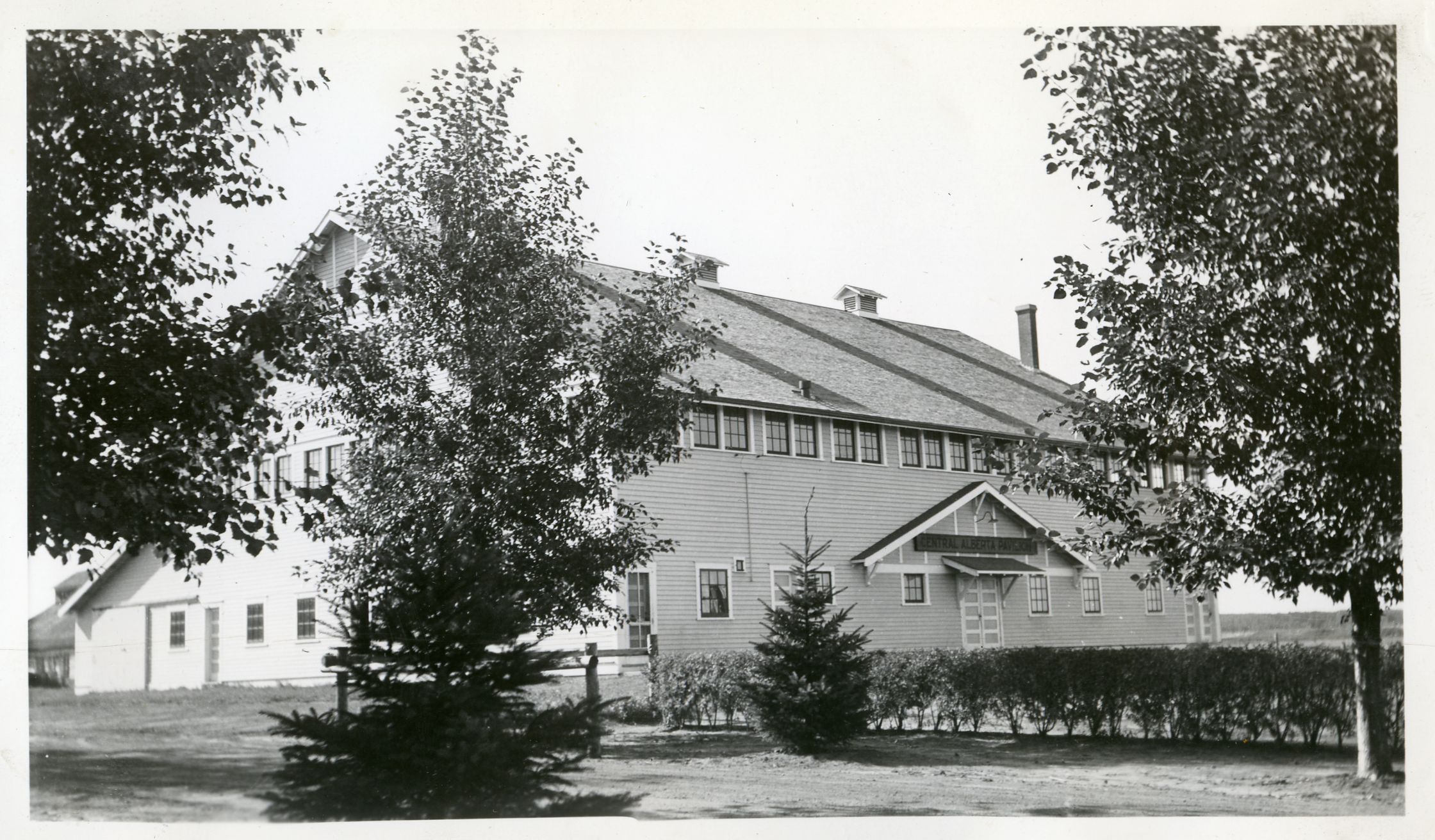
Newly constructed Central Alberta Livestock Pavilion. 1936
The site illustrates the ties between government, industry, and the community. The livestock pavilion was built through a collaboration between the federal government and the local Agricultural Society. The society offered land at the community Fairgrounds – directly north of and adjacent to the Research Station. The government provided funds and materials for the construction ($10,000). The agreement also saw the agricultural society provide stewardship and operations, and the Research Station provide routine programming, some events, and occasional training courses. During the winter of 1935/36, the local contractor T.H. Newman (Bert Newman) completed the construction. The pavilion was completed and opened with impressive fanfare in March 1936. The site not only offered educational and livestock services but also functioned as a community hall and entertainment facility with a dance floor and seating for up to 1,000 guests. Because Lacombe was an important stopping point between Edmonton and Calgary, located at the midpoint between the two cities, events at the new Pavilion drew crowds from local, regional, and provincial audiences. Two of the very important events to happen at the Livestock Pavilion were the Bull Sales and the Horse Sales.
Another important development of the Stations was the multi-faceted meat research program that studies meat safety, quality, and production factors. In fact, the grading system currently used for meat, such as Alberta AAA Beef, was developed through research conducted at Lacombe. Lacombe got its own meat slaughtering facility in 1984, making it the only place in Canada where researchers can study the factors that impact meat quality throughout the animals’ lives and the meat processing.
400 head of beef cattle and 100 sows have been maintained by the Station as part of their research. Despite the fact that only 2% of Canadians live on farms, agriculture is a vital part of Canada’s industry, making the continued work of research centres as important as ever.
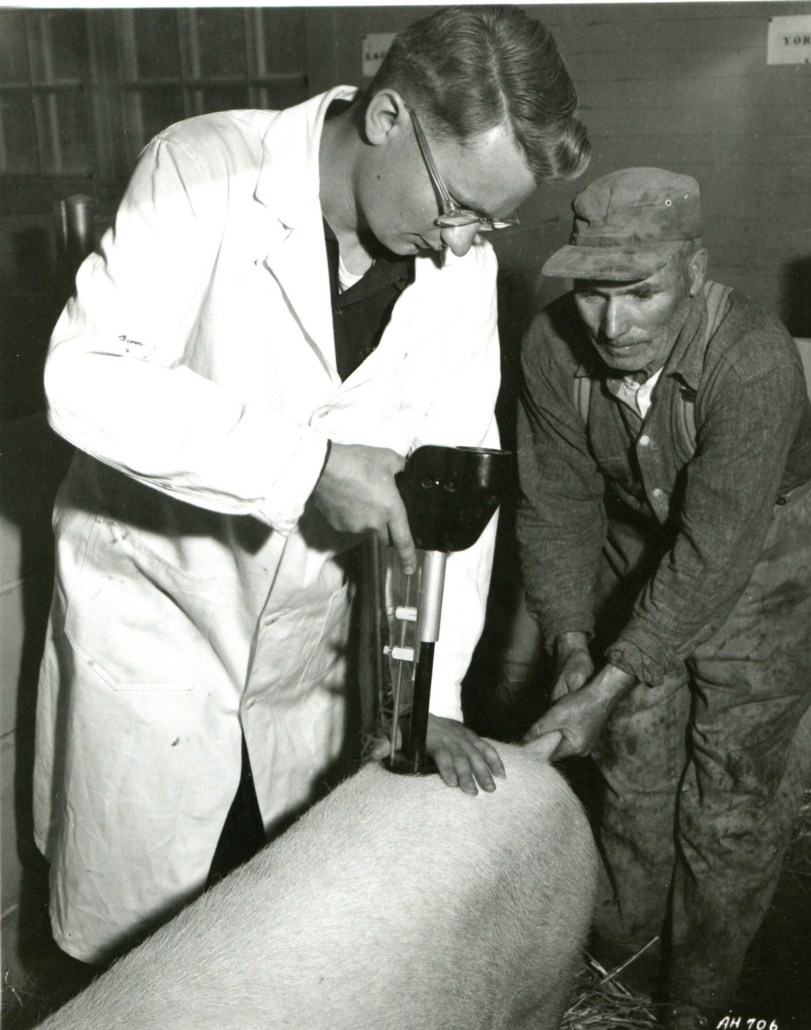
Jack Newman measuring backfat with the “lean meter.” 1955
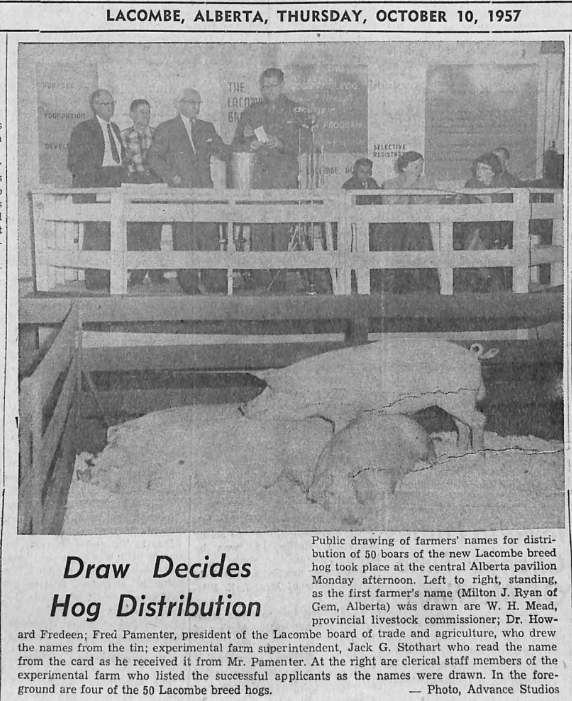
The Centre’s focus on swine cross-breeding that began in 1948 ultimately resulted in the “Lacombe Hog.” The first public exhibition of the Lacombe was made at the National Swine Show on 1 July 1957. By 1960 there were 462 breeding females in the hands of private breeders. Though selective registration required that four pigs from each litter be tested under the Canadian Advanced Registry policy, the breed still expanded rapidly, with 10,600 pigs registered by 1964 and exported to the United States, Japan, the United Kingdom, Germany, Italy, and Russia.
The Lacombe hog was found to be superior in birth weight, weaning weight, and ease of handling, and was surprisingly resistant to respiratory illness. 56 percent Landrace, 23 percent Berkshire and 21 percent Chester White blood. The Lacombe pig is now a critically endangered animal. Commercial breeds of pigs have been chosen over heritage breeds such as the Lacombe to meet greater market demands, and “The Lacombe is in critical condition, but all heritage pig breeds need our support. That’s why we plan to launch a swine initiative in 2026,” says Rebecca Lange, Chair of Heritage Livestock Canada. The Lacombe Pig was saved from extinction in 2018 by Heritage Livestock Canada.
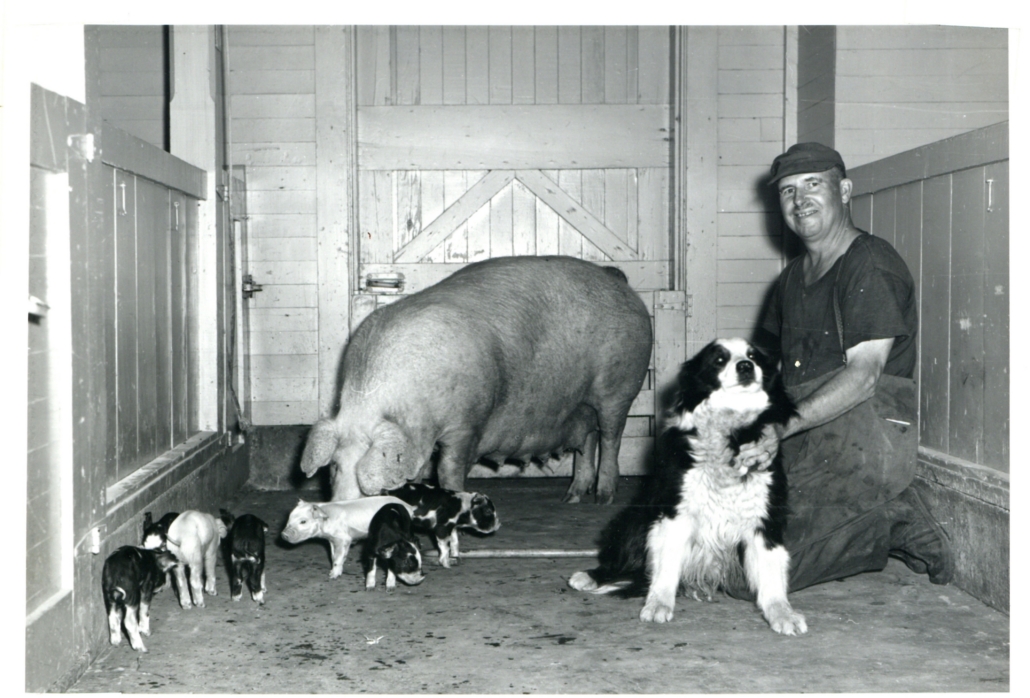
Bev Harrington, head swine herdsman for 44 years, and his dog Scottie with a “colour test” litter.
Under George DeLong’s superintendency, the Station took on an active role in community affairs. Staff members were encouraged to join community organizations and be active participants in community life. The station would often donate staff power and equipment for agricultural events, the annual Lion’s Ball Tournament, construction of the Lacombe Memorial Centre, and other community projects. This put station employees in a position to be more acutely attuned to the needs of the community that they were hired to help.
Community Engagement began to peter out as regulations became stricter. Once the new swine facility was constructed at the research station, biosecurity became a major concern, meaning that only approved people could enter the area and only after taking proper safety precautions. This helps to prevent disease and illness throughout the swine herd. There were also concerns about liability from allowing members of the public to have free rein within the Station’s property.
Delegations from other countries have visited the station, including those from Europe, East Asia, Latin America, and the United States. Stothart presented a series of lectures on swine production in Cuba in 1972, which culminated in the development of a joint Canada-Cuba program for exchange of scientific information on animal production. Doug McBeath served on a 3-year agricultural mission to India in 1973-75; in 1975, Fredeen was a member of the first Canadian agricultural mission to visit the People’s Republic of China. Many postdoctoral fellows from all over the world conducted their studies at the Lacombe Station.
In 1991, when it was hosted in Red Deer, the Research Station was part of Alberta’s annual Pork Congress, which sought to teach the wider pork-producing community about the work the Research Station was undertaking in the field. They often presented at the Pork Congress, with Jack Stothart even judging the hog competitions during his tenancy at the Station.
The Station has partnered with many other Research Stations throughout Canada and the United States, the University of Alberta, as well as other global entities.
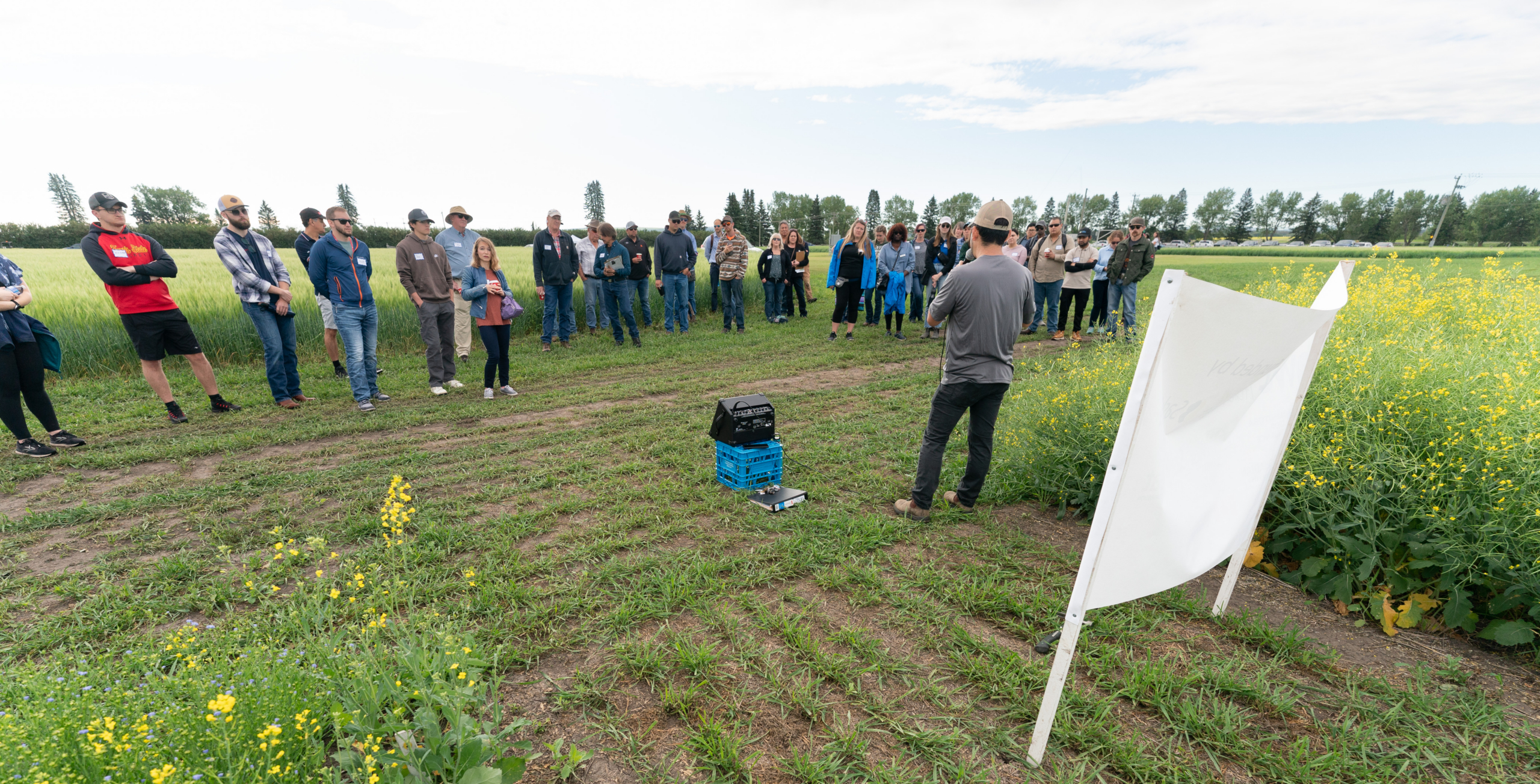
Field Day at the Research Station 2023.
The Lacombe Research and Development Centre is a fixture in the community. Many people worked at the station as summer students doing field or administrative work. You worked there or knew someone who did. People walked the trails and had their wedding or graduation photographs taken on the beautiful grounds, and you took in the calm, inviting atmosphere.
There are fond memories of bike riding, school picnics, and birthday parties all held on the Research Station grounds. Happy days of fishing in the pond and attending events at the Pavilion.
Having scientists in the community was important for introducing the vocation to children who may have never even considered the possibility. This further diversified options for local students, and having a Station close to home meant that if they chose to pursue this option, there would be somewhere in their own community where they could learn and work.
The advances that the Lacombe Research Station has made have directly impacted local farmers who may have been able to reduce costs by following the recommendations set forth by LRDC.
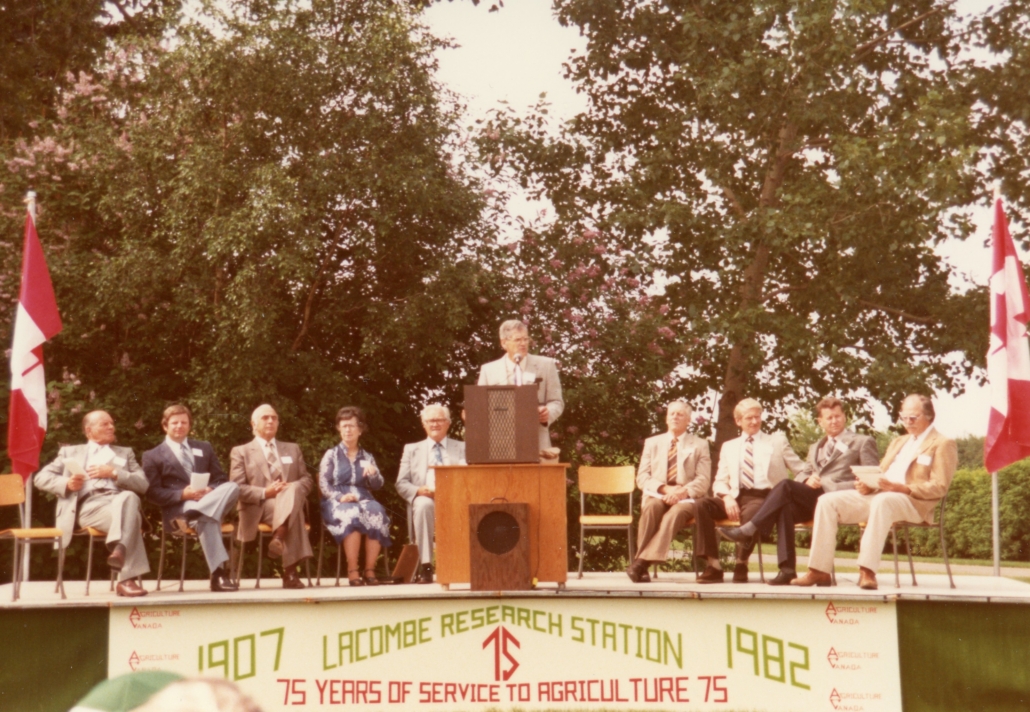
In January of 2026, it was announced that Research Stations in Ontario, Quebec, Alberta, and Satellite Research Farms in Nova Scotia, Saskatchewan, and Manitoba would be closing as part of the Federal Government’s budget-saving initiatives. Upon the publication of this news, the City of Lacombe, in collaboration with Lacombe County, created a task force to respond and attempt to change this news that would impact over 100 jobs in Lacombe. Lacombe’s Mayor Thalia Hibbs, along with the County Reeve John Ireland, submitted letters and press releases, appeared on CTV, and travelled to Ottawa to have the case for the Research Station heard.
In May, the Standing Committee on Agriculture and Agri-Food submitted a report to the House of Commons with recommendations against the closure of all of the Stations. The research being conducted by these Stations has been integral to Canada’s food safety and the updating of exceedingly important farming practices. In September of 2026, the House of Commons responded to this report, and unfortunately, it was made clear that the decision for the closures would not be revisited.
The Lacombe Research and Development Centre has had an incredible 119-year history in our community, the impact of which will continue to be felt long after its doors are closed.

.
A big thanks to the Historical Society of Alberta, whose generous project grant allowed us to create this virtual exhibit.
Thank you to the Lacombe Research & Development Centre team, who helped to fill in gaps in knowledge about recent events.
Thank you to the community members who reached out and provided archival materials, photographs, objects, and stories to help bring this exhibit together.
Lacombe & District Historical Society (LDHS Archives)

Are you passionate about culture & heritage and Lacombe’s local history?
Learn more about how to be part of the Historical Society team, or Executive Board, discover new volunteer opportunities in your communities, or be a heritage hero and donate today!


Flatiron Building Museum
Suite #200, 5005 50th Ave, Lacombe AB T4L2L1
(403) 782-3933
Flatiron Building Museum
OPEN Wed-Sat 10 am – 4 pm
Blacksmith Shop Museum
OPEN Monday 12pm – 4pm
Michener House Museum
CLOSED
©2026 Lacombe Museum